Sleep Medicine
If A Good Night's Sleep Seems Impossible, You're in The Right Place
Dr. Mathison specializes in diagnosing & treating the full spectrum of sleep-wake disorders.
Better Sleep Can Change Everything
If you’re struggling to fall asleep, stay asleep, or wake up feeling rested, you’re not alone. More than 70 million Americans live with a sleep disorder, and many don’t realize that effective treatment is available.
Poor sleep affects more than just your nights. It can impact your energy, focus, mood, overall health, and quality of life.
Whether you’re dealing with loud snoring, excessive daytime fatigue, insomnia, or sleep apnea, getting the right diagnosis is the first step toward better rest. Our team offers comprehensive sleep evaluations, diagnostic testing, and personalized treatment plans to help you sleep better and feel your best.
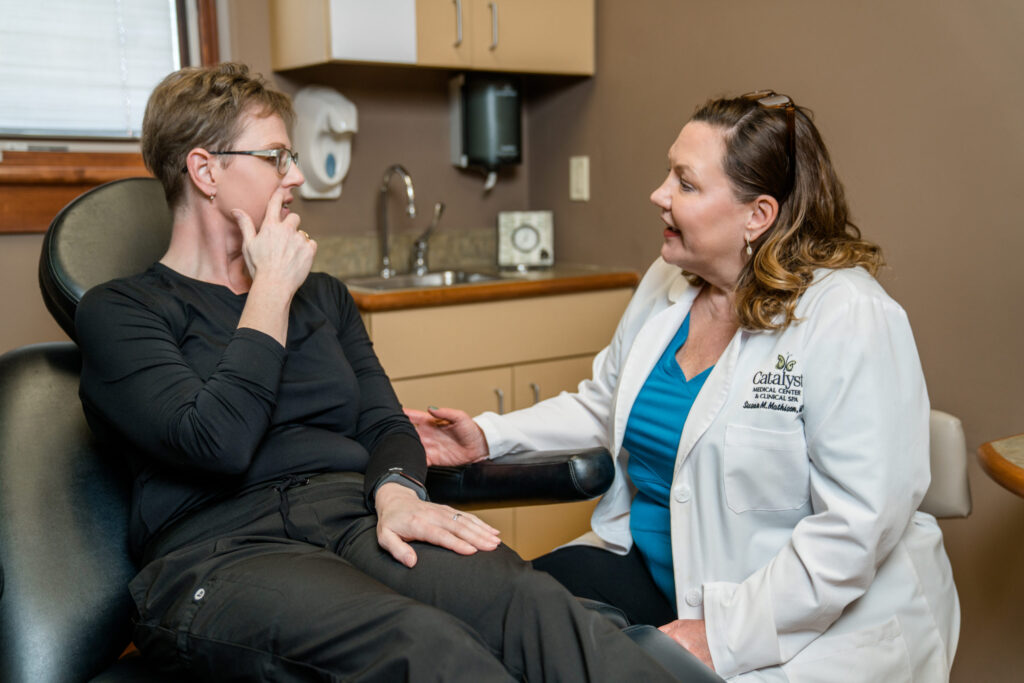
Dr. Susan Mathison is board-certified in Sleep Medicine and provides expert diagnosis and treatment for a wide range of sleep disorders, including sleep apnea, insomnia, and other conditions that interfere with healthy sleep.
Common Sleep Disorders
- Snoring
- Sleep apnea
- Restless leg syndrome
- Narcolepsy
- Insomnia
- Sleepwalking
Frequently Asked Questions About Sleep Medicine
How do I know if I have a sleep disorder?
If you regularly snore, stop breathing during sleep, wake up feeling tired, struggle to fall asleep, or experience excessive daytime fatigue, it may be time to schedule a sleep evaluation.
What sleep disorders do you treat?
We diagnose and treat a variety of sleep disorders, including sleep apnea, insomnia, narcolepsy, restless leg syndrome, sleepwalking, and chronic snoring.
Will I need a sleep study?
Not everyone needs a sleep study. Your provider will review your symptoms and medical history to determine whether sleep testing is appropriate and explain the next steps.
Can poor sleep affect my overall health?
Yes, poor sleep can impact your energy, concentration, mood, heart health, immune system, and overall quality of life. Identifying and treating sleep disorders can help improve both your sleep and your long-term health.
What treatment options are available?
Treatment depends on your diagnosis and may include lifestyle changes, CPAP therapy, oral appliances, medications, or other personalized treatment options. Your provider will recommend the approach that’s best for your needs.